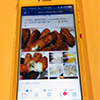
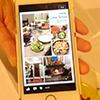
Share delicious moments with ME n U
MENU is a food-sharing social platform. Capture and share your delicious moments with family and friends — simply check in to a restaurant and post your filtered photos, wherever you are.
Your followers discover your eating life, and restaurants become easy to find. When you open MENU, you see new photos from friends alongside the most ambrosial foods and beverages of Taiwan.
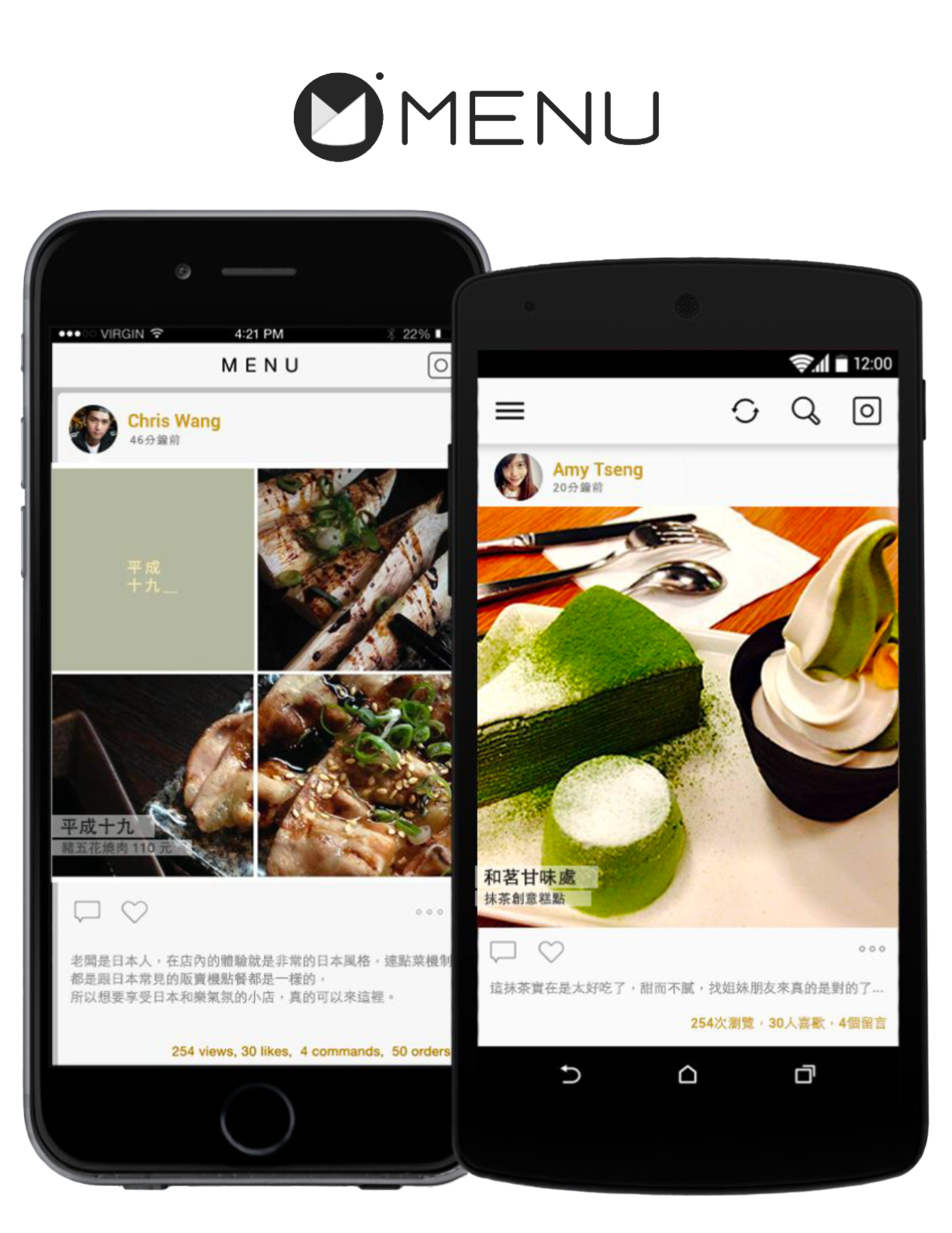
Why We Built MENU
MENU began with a simple observation: Taiwan has one of the world’s most vibrant food cultures, yet there was no platform designed specifically around it. Instagram was broad and generic, while food-discovery apps focused heavily on reviews rather than personal experiences. There was a clear gap between social sharing and restaurant discovery.
I co-founded MENU to bridge that gap, taking it from an initial concept to a live product on the App Store and Google Play. This case study explores the design decisions that shaped the product.
8
user interviews6
usability tests80
offline beta users2
products launchedThe Market Existed. The Right Product Didn’t.
In Taiwan, dining out is part of everyday life. People eat out for most meals, enjoy exploring new places, and often rely on friends’ recommendations when deciding where to go. Yet the tools available to support these habits did not reflect how people actually discovered and shared food.
Existing options were either too broad, such as global social platforms without local depth, or too transactional, such as review-led platforms that prioritised ratings over personal experiences. Neither captured the pleasure of discovering and sharing a great meal with people you trust. We saw an opportunity to bridge social sharing and restaurant discovery: a product that put the dining moment first, while providing the practical information people needed to decide where to eat.
Understanding Who We Were Designing For
Before designing a single screen, I conducted user research with eight participants, including food bloggers and casual diners, to understand how people discover, evaluate, and share dining experiences.

Photos Before Words
+
Participants often judged a restaurant by photos shared by friends rather than by star ratings. Visual evidence felt more trustworthy and persuasive than editorial reviews.

Social Proof from People They Trust
+
Recommendations from friends and accounts they followed carried more weight than anonymous reviews. The social network was central to how people decided where to eat.

Discovery Happens in the Moment
+
Many dining decisions were spontaneous and made nearby. Users needed relevant, location-based options at the moment they were deciding—not just tools for planning ahead.
A Platform Needs Both Sides to Succeed
Our research made one thing clear: a food-focused social platform needs restaurants to participate as
actively as diners. Designing only for users would risk a lack of accurate, useful restaurant content.
We therefore adopted a B2B2C model: one experience for diners to discover and share food, and another for
restaurants to manage their presence and connect with potential customers. By creating value for both
groups, each side could help grow the other.

A social platform where food lovers can share dining experiences, follow friends, save restaurants, and discover great places through recommendations from people they trust—not just algorithms.
generates
⟷revenue from

A restaurant-facing tool that helps businesses manage their profiles, run promotions, and engage directly with customers on MENU—turning diner activity into meaningful business growth.
Turning User Needs into One Coherent Experience
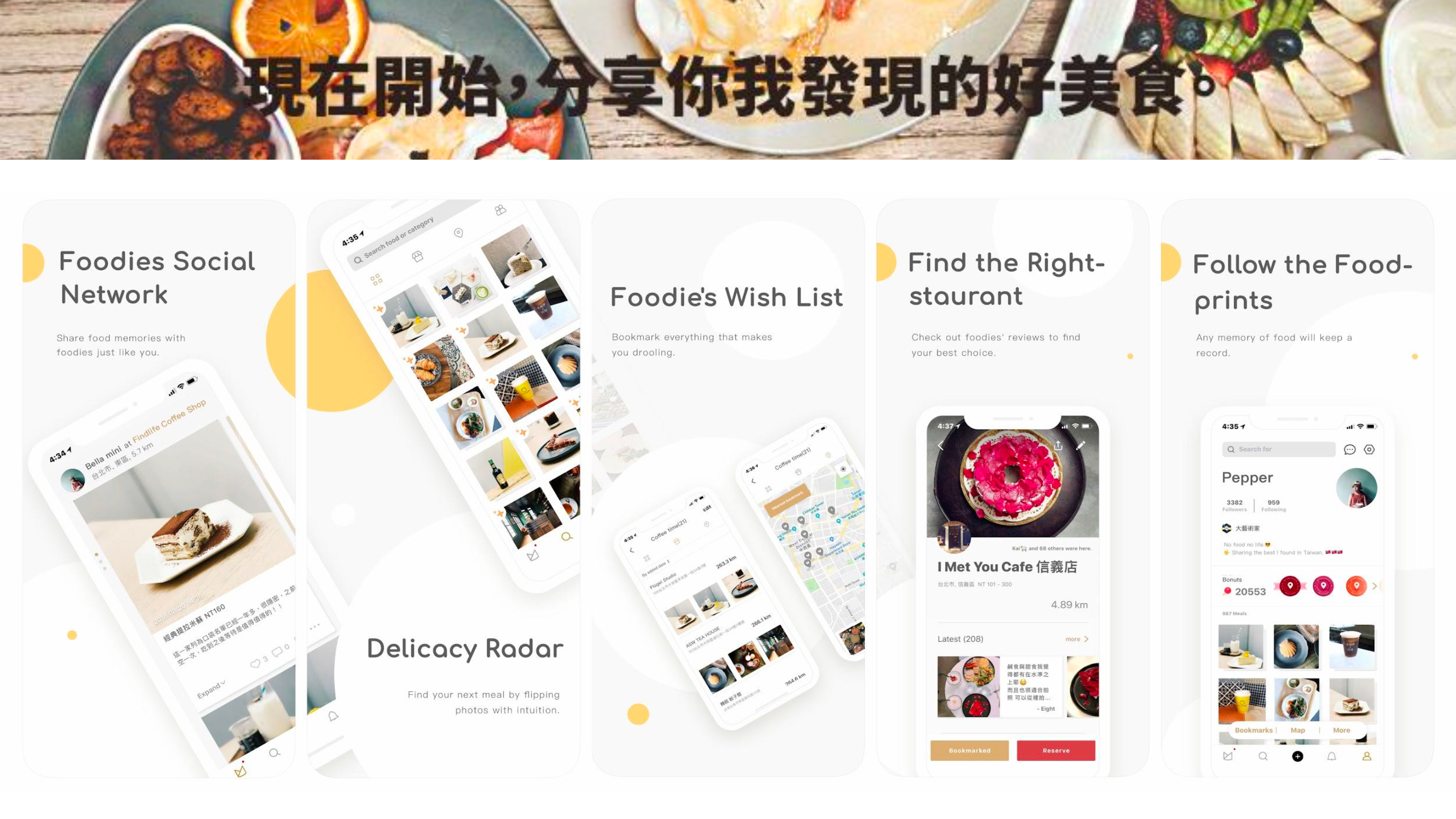
Each MENU feature addressed a specific need identified through research. Rather than building a disconnected list of features, I grounded every design decision in an observed user behaviour.
Ink
#1A1A1A
Primary text & UI
Amber
#d5ad78
Brand accent & CTA
White
#FFFFFF
Primary background
Off-white
#FAFAFA
Section background
Stone
#9B9B9B
Secondary text
Mist
#F2F2F2
Dividers & borders
Share Delicious Moments
Bold · 32px · Line-height 1.1Foodies Social Network
SemiBold · 20px · Line-height 1.3Check in to restaurants, share filtered photos, and see what people you follow are eating right now.
Regular · 16px · Line-height 1.6254 views · 30 likes · 4 orders
Regular · 12px · Tracked +504-column grid · 16px margin · 8px gutter · 8pt baseline
Testing Before Launch
Before submitting the app to the App Store, we conducted three rounds of usability testing to validate our key assumptions. Each round focused on answering a different question.
8
participants
6
participants
80
beta users

Miss Hsu
Visual Designer
- Age 25–30 · Female
- Spends 3–5 hours online daily
- iPhone 5S
Frequently Used Apps


-
She enjoys documenting everyday moments through photography. Since smartphones
became widespread, she has primarily used her phone to take photos, and most of her devices are
part of the Apple ecosystem.
喜歡拍攝記錄,隨智慧型手機普及後改用手機拍,身邊硬體幾乎全是 Apple。 -
She finds the iPhone’s built-in editing tools sufficient and does not feel she needs
an additional photo-editing app.
iPhone 內建效果已夠用;不覺得需要額外輔助 App。 -
She often uses VSCOcam to adjust image sharpness, then saves the edited version for
later use.
常用 VSCOcam 調整銳利度,調完存檔備用。 -
She cooks at home and shares photos of her dishes on Facebook.
自己做菜,拍完會整理在 Facebook 分享。 -
While living in Japan, she used Cookpad and found its structure similar to a recipe
catalogue.
在日本曾用 Cookpad,覺得很像料理架構。 -
Her colleagues enjoy dining out together, and someone in the group often takes the
initiative to find and book restaurants.
同事間很愛聚餐,有人會主動幫大家問餐廳位子。 -
When choosing a restaurant at short notice, she considers cuisine type, price range,
and cleanliness.
臨時找吃的,判斷標準:料理種類、價位、餐廳乾淨程度。


Miss Wang
Product Manager
- Age 25–30 · Female
- Spends 8 hours online daily
- iPhone 5S, iPad Air 2
Frequently Used Apps


-
She frequently shares photos and videos of her food, outings, and daily life on
Facebook. Photo editing is important to her: she uses Camera360 for portraits and the phone’s
built-in tools for food and scenery. However, she rarely edits food photos extensively.
她經常在 Facebook 分享自己的飲食、出遊與日常照片和影片。她很重視照片後製:拍人像時會使用 Camera360,拍食物和風景時則使用手機內建工具;不過,她較少花時間大幅修飾食物照片。 -
She often searches Google for food photos in her spare time, using them as
inspiration for future meals. When considering a restaurant for the first time, she reviews its
menu and food photos before deciding whether to visit.
她平時會透過 Google 搜尋美食照片,作為下次用餐的參考。第一次考慮某間餐廳時,她會特別查看店家提供的菜單和餐點照片,再決定是否前往。 -
When editing photos, she usually makes detailed adjustments, such as brightness and
contrast.
修圖時,她通常會調整亮度、對比等細節。 -
She previously used an app that made it convenient to look up phone numbers and
addresses. However, she stopped using it because it contained too many ads. She tends to avoid
apps with excessive advertising.
她曾使用過一款可快速查詢電話和地址的 App,覺得相當方便;但因為廣告太多而停止使用。她傾向避免使用廣告過多的 App。 -
She prefers restaurants with good value for money. If a meal feels too expensive, or
if she could prepare something similar herself, she is unlikely to choose it.
她偏好性價比高的餐廳。若餐點價格過高,或是自己在家也能做出類似料理,通常不會將其列為選擇。 -
Her colleagues enjoy dining out together, and someone in the group often takes the
initiative to find and book restaurants.
同事間很愛聚餐,有人會主動幫大家問餐廳位子。 -
She enjoys cooking at home, photographs the finished dishes, and shares them on
Facebook using photo-collage apps.
她也有在家料理的習慣,會拍下完成的菜色,再透過拼圖 App 分享到 Facebook。